
Why we ship every theme with a design token layer
One settings layer instead of colour edits across twenty files — and what that means when you rebrand.
The problem with theme customisation
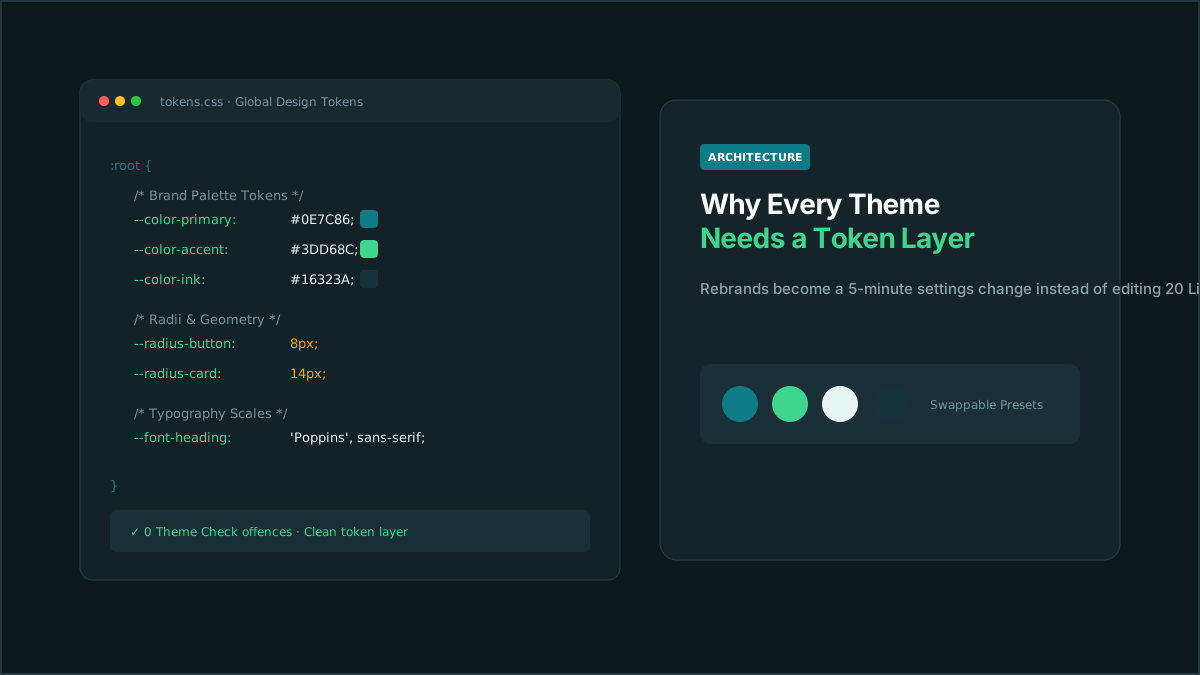
Most themes hardcode colour, radius and type decisions into each section's stylesheet. Change a brand colour and you are editing twenty files, missing three, and discovering the misses on a campaign launch. It is the single most common reason merchants stop touching their own theme.
How the token layer works
Every global setting maps to one CSS custom property, declared once and consumed everywhere. Colours, radii, shadows, swatch shapes and type scale all read from the same place. A section never declares a hex value — it reads a token, so the theme editor is the only surface anyone needs.
What this buys you
Rebrands become a settings change instead of a development ticket. Seasonal themes are a preset swap. And when we hand over, your team can restyle the store without a deploy, which is usually the difference between a theme that stays current and one that quietly rots.
The discipline it requires
One rule: if a class is used in more than one file, it belongs in the shared stylesheet, not in a section. Theme Check enforces it. That single constraint is what keeps the token layer from leaking back into per-section overrides six months later.
Want this checked on your own store?
We'll run the same review on your storefront and send you the findings in three business days. Free, and yours to keep.
Get my free audit